Это интересно
- ОКД
- ЗКС
- ИПО
- КНПВ
- Мондиоринг
- Большой ринг
- Французский ринг
- Аджилити
- Фризби
Опрос
Полезные ссылки
РКФ

Все о дрессировке собак

Стрижка собак в Коломне

Поиск по сайту
10 мировых архитектурных журналов, которые стоит посмотреть. Журнал на английском языке про строительство
Электронный журнал ARCHITECTURE AND ENGINEERING
С 2016 года выходит в свет международный журнал «Architecture and Engineering». Журнал является научным изданием на английском языке, издается в электронном виде, с периодичностью четыре выпуска в год. Зарегистрирован Федеральной службой по надзору в сфере связи, информационных технологий и массовых коммуникаций (Роскомнадзор) 27 июля 2015 года. Свидетельство о регистрации средства массовой информации Эл № ФС77-62584.
Главный редактор журнала профессор Георгий С. Манос (Лаборатория сопротивления материалов и расчета строительных конструкций, Университет им. Аристотеля в Салониках).
Издание ориентировано на публикацию научных статей по следующим направлениям:
- Архитектура
- Градостроительство и развитие
- Строительство зданий и сооружений
- Инфраструктурные сооружения и конструкции
- Геотехника и инженерная геология
- Сопротивление материалов
- Транспорт
- Бизнес, управление
Все статьи будут проходить двойное слепое рецензирование («double-blind peer review») учеными российских и зарубежных вузов. На страницах журнала будут представлены результаты оригинальных научных исследований на английском языке. Русскоязычным авторам, чьи статьи прошли двойное слепое рецензирование, предлагается бесплатный перевод на английский язык.
«Позвольте пригласить вас бесплатно публиковать статьи, удовлетворяющие требованиям нашего журнала. Публикация осуществляется после прохождения надлежащей процедуры рецензирования. Статьи, относящиеся к одной из указанных выше тематик, принимаются на русском и английском языках. Данные статьи подаются согласно требованиям к оформлению, включенным в Руководство для Авторов.»Главный редакторГеоргий С. Манос,Эмеритус-профессор Университета им. Аристотеля в Салониках, ГрецияЭкс-директор лаборатории сопротивления материалов ирасчета строительных конструкций
Веб-сайт журнала: http://aej.spbgasu.ru/index.php/AEКонтакты: Людмила Груба, специалист управления научной работы e-mail: [email protected]
Руководство для авторовпо подаче статей в журнал Architecture and Engineering
Структура подаваемого материала (статьи). Шаблон
isi.sfu-kras.ru
Статьи на английском
Здесь мы собрали интересные статьи на английском языке. Перевод вы можете узнать, наводя на английские слова.
 Philosopher and mathematician René Descartes is regarded as the father of modern philosophy for defining a starting point for existence, “I think; therefore I am.”
читать дальше
 On a recent trip to Rwanda, my luggage was searched at the border, and the authorities confiscated some of my belongings. No, I wasn't trying to smuggle drugs or weapons. The offenders? Three plastic bags I'd use to carry my shampoo and dirty laundry.
читать дальше
 Virologists led by Prof Jean-Michel Claverie and Dr Chantal Abergel from the Aix-Marseille Université’s Structural and Genomic Information Laboratory, France, have described two new giant viruses, the biggest yet found.
читать дальше
 With his love of Game Of Thrones, Star Trek, and everything else the Internet holds dear, Parks And Recreation’s Ben Wyatt has become something of an icon for America’s nerderati. So it shouldn’t come as much of a surprise that Mayfair Games, the company that makes Settlers Of Catan, took the time to make an actual version of Cones Of Dunshire, the game Ben invents during a spell of unemployment.
читать дальше
 For 8-year-old Rocco from New York, his wish to meet WWE Superstar John Cena has helped keep him positive and strong during his battle against leukemia.
читать дальше
 Those with a sweet tooth might not need to feel so guilty about admitting it. People who eat candy and chocolate tend to have smaller waists, weigh less and have a lower body mass index (BMI) than those who don't indulge in these treats, a new study says.
читать дальше
 Ruth Graves Wakefield (June 17, 1903 – January 10, 1977) was the inventor of the Toll House Cookie, the first chocolate chip cookie, which she created c. 1938. She was also a graduate and educator, a business owner, a chef, and an author.
читать дальше
 Over the last several weeks The Simpsons has rushed into the public consciousness with an urgency it hasn’t enjoyed in a decade. At Comic-Con last week, in particular, attention was drummed up by the producers grandly, as with galvanic effort they annexed valuable headline real estate across the world.
читать дальше
 Ashton Kutcher spent time in the hospital after going on one of Steve Jobs’ infamous fruitarian diets to prepare for a new role in a biopic featuring the late Apple CEO.
читать дальше
 You enter a room with two cages. One contains a friend, who is clearly distressed. The other contains a bar of chocolate, which clearly isn’t. What do you do? While a few people would probably go for the chocolate first (and you know who you are), most would choose to free the friend. And so, it seems, would a rat.
читать дальше
begin-english.ru
English for builders and architects Английский язык для строителей и архитекторов
Федеральное агентство желедорожного транспорта
Федеральное государственное бюджетное образовательное учреждение
высшего профессионального образования
«Сибирский государственный университет путей сообщения» (СГУПС)
Е. С. Быкадорова, С. А. Веселова
ENGLISH FOR BUILDERS AND ARCHITECTS
Английский язык для строителей и архитекторов
Учебное пособие
Новосибирск 2013
УДК 802:69 (075.8)
Быкадорова Е. С., Веселова С. А. Английский язык для строителей и архитекторов. English for Builders and Architects. Учеб. пособие. – Новосибирск: Изд-во СГУПСа, 2013. – _ c.
Учебный материал пособия направлен на формирование и развитие навыков профессионально-ориентированной коммуникации, быстрого и точного понимания аутентичной литературы по строительству.
Учебное пособие состоит из трех разделов, в которых детально рассмотрены исторический контекст архитектуры, современные строительные материалы и конструкции гражданских зданий.
Учебное пособие «Английский язык для строителей и архитекторов. English for Builders and Architects» предназначено для обучения английскому языку студентов строительных специальностей технических вузов и рекомендовано слушателям курса «Переводчик в сфере профессиональной коммуникации». Пособие также адресовано широкому кругу профессионалов, чья деятельность связана с международным сотрудничеством.
Рассмотрено и утверждено на заседании редакционно-издательского совета Сибирского государственного университета путей сообщения в качестве учебного пособия.
Ответственный р е д а к т о р
канд. пед. наук, доц. кафедры «Иностранныеязыки» СГУПСа Дёмина О. А.
Р е ц е н з е н т ы:
Кафедра «Иностранные языки» Новосибирского государственного архитектурно-строительного университета (доц. Т. С. Полищук)
Кафедра «Иностранных языков» Новосибирского государственного университета экономики и управления (доц. А. К. Устюжанина)
| © Быкадорова Е. С., Веселова С. А., 2013 | |
| © Сибирский государственный университет путей сообщения, 2013 |
| Contents. Содержание ……………………………………………………………………… | 3 |
| Foreword. Предисловие……………………….…………………………………………… | 4 |
| PART I. THE ART OF ARCHITECTURE. АРХИТЕКТУРА КАК ИСКУССТВО | |
| Unit 1. Daylighting. Дневной свет ………….. …………………………………………….. | 6 |
| Unit 2. Architectural Styles. Стили архитектуры ………….. …………………………….. | 15 |
| PART II. BUILDING MATERIALS. СТРОИТЕЛЬНЫЕ МАТЕРИАЛЫ | |
| Unit 3. Bricks and Brickwork. Производство кирпича и его применение……………….. | 23 |
| Unit 4. Cementitious Materials for Concrete. Вяжущие материалы, применяемые для изготовления бетона …………………………………………………………………..…... | 31 |
| Unit 5. Timber. Дерево в строительстве………. ………………………............................ | 39 |
| Unit 6. Building Stone. Применение камня в строительстве…………………………….. | 48 |
| Unit 7. Paints, Wood Stains, Varnishes and Colour. Лакокрасочные материалы и их цветовая палитра ………………………………………………………………...………… | 57 |
| PART III. ARCHITECTURE OF CIVIL BUILDINGS. АРХИТЕКТУРА ГРАЖДАНСКИХ ЗДАНИЙ | |
| Unit 8. Foundations. Фундаменты…………………………………..................................... | 66 |
| Unit 9. Roofs. Крыши ….…………………………………………………………………… | 76 |
| Unit 10. Walls. Стены …………………………………………….………………………... | 86 |
| Unit 11. Floors. Перекрытия ……………………………… …….………………………... | 96 |
| Appendix 1. Communication Clichés. Приложение 1. Речевые штампы ………………... | 107 |
| Appendix 2. Review Clichés. Приложение 2. Клише для реферирования ……………… | 108 |
| Appendix 3. Business Letter Writing. Приложение 3. Деловая переписка ………………. | 109 |
| References. Список литературы …………………………………………………………... | 117 |
Foreword
Подготовка выпускников высшей школы мирового уровня может осуществляться только в условиях интеграции образования, научных исследований и производства с использованием мировых информационных ресурсов. Это означает, что в связи с сегодняшними формами экономического взаимодействия государств иностранный язык выходит за рамки общеобразовательного учебного предмета в вузе и становится инструментом формирования компетентностного специалиста новой формации.
Сложившаяся модель подготовки студентов в техническом вузе далеко не всегда позволяет соединить профессиональную и языковую подготовку в целостную систему и сформировать глубокое осознание конечных целей изучения иностранного языка. Проблема исследования состоит в необходимости преодоления узкофункциональной и технократической направленности обучения иностранному языку.
Поэтому в соответствии с требованиями учебной программы для технических вузов разработано учебное пособие «Английский язык для строителей и архитекторов», рассчитанное на 142 часа аудиторных и 182 часа самостоятельных занятий по английскому языку.
Основной целью учебного пособия является развитие речевой деятельности в сфере профессионального общения. В основу пособия положен принцип коммуникативно-деятельностного подхода.
Новизна учебного пособия заключается в следующем:
задания представлены системно и наглядно от «простого к сложному»;
задания разработаны в соответствии с требованиями i-exam и ФЭПО;
задания предусматривают индивидуальную работу студентов, работу в парах, группах, а различные способы рассадки студентов для определенных видов работы (динамика группы) направлены на формирование навыков работы над проектами и презентациями;
представлено достаточно заданий на отработку вокабуляра, орфографии, произношения, стилистики, сочетаемости слов;
задания охватывают различные жанры письма (e-mail, memo, письмо-запрос, письмо-заказ, письмо-жалоба, письмо-подтверждение) и имитации типичных ситуаций речевого общения;
в зависимости от целевой установки представлено просмотровое, ознакомительное, изучающее и поисковое чтение, ориентирующее студентов на выполнение профессионально-ориентированных заданий;
материалы отражают современные разработки в строительных технологиях;
представлена четкая корреляция зарубежного и российского строительных рынков;
материал охватывает полный курс обучения и направлен на выполнение студентами профессионально-ориентированных заданий;
аудио и видео поддержка обеспечивает дидактическое качество на высоком уровне благодаря профессионально-ориентированному содержанию материала;
интернет-поддержка ориентирует студентов на самостоятельное выполнение ими профессионально-ориентированных заданий;
studfiles.net
Английский язык для строителей | Социальная сеть работников образования
Содержание.
1.Введение…………………………………………………………..2.
2.Lesson1.”Сivil Engineering”…………………………………….3.
3.Lesson2.”From the history of building”………………………..8.
4.Lesson3.”Construction works”………………………………….13.
5. Список использованной литературы………………………...19.
Введение.
Данное методическое пособие предназначено для студентов строительных специальностей и составлено в соответствии с требованиями учебной программы.
Основной целью данного методического пособия является подготовка студентов к чтению и пониманию аутентичных текстов по специальности. Тематика текстов охватывает основные строительные понятия, историю предмета и развития строительного дела, современные строительные технологии.
Учебное пособие состоит из двух частей: практической и теоретической, дополнительных текстов с заданиями, англо-русского и русско-английского словаря.
Каждый урок имеет определенную структуру: лексическая часть включает основной текст, словарь и комментарий для активного усвоения лексики урока, а также лексические и послетекстовые упражнения различного типа. Кроме того, урок содержит комплекс грамматических упражнений, направленных на введение и закрепление нового и повторение пройденного грамматического материала. К каждому уроку даются дополнительные тексты, тематически связанные с основным. Это дает возможность расширить лексический запас и кругозор студентов по каждой теме.
Учебное пособие также включает задания, ориентированные на формирование навыков монологической речи.
Англо-русский и русско-английский словари содержат терминологию по строительной специальности, необходимую для понимания аутентичных текстов.
Lesson 1.
CIVIL ENGINEERING
1. Read and translate the text
Civil Engineering
The term "engineering" is a modern one. The New Marriam-
Webster Dictionary gives the explanation of the word "engineering"
as the practical application of scientific and mathematical principles.
Nowadays the term "engineering" means, as a rule, the art of
designing, constructing, or using engines. But this word is now applied
*in a more extended sense.1 It is applied also to the art of
executing such works as the objects of civil and military architecture,
in which engines or other mechanical appliances are used. Engineering
is divided into many branches. The most important of them
are: civil, mechanical, electrical, nuclear, mining, military, marine,
and sanitary engineering.
While the definition "civil engineering " dates back only two centuries,
the profession of civil engineer is as old as civilized life. It
started developing with the rise of ancient Rome. In order to understand
clearly what civil engineering constitutes nowadays, let us
consider briefly the development of different branches of engineering.
Some form of building and utilization of the materials and forces
of nature have always been necessary for the people from the
prehistoric times. The people had to protect themselves against the
elements and sustain themselves in the conflict with nature.
First the word "civil engineering" was used to distinguish the
work of the engineer with a non-military purpose from that of a military
engineer. And up to about the middle of the 18th century there
were two main branches of engineering — civil and military. T h e
former included all those branches of the constructive.art not directly
connected with military operations and the constructions of fortifications,
while the latter2, military engineering, concerned itself with the applications of science and the utilization of building materials
in the art of war.
But as time went on, the art of civil engineering was enriched with
new achievements of science. With the beginning of the Industrial
Revolution and later ther,e came a remarkable series of mechanical
inventions, great discoveries in electrical science and atomic energy.
It led to differentiation of mechanical, electrical, nuclear engineering,
etc.
It is a well-known fact that with the invention of the steam engine
and the growth of factories a number of civil engineers became interested
in the practical application of the science of mechanics and
thermodynamics to the design of machines. They separated themselves
from civil engineering, and were called "mechanical engineers".
With the development of the science of electricity, there appeared
another branch of the engineering — electrical engineering. It is
devided now into two main branches: communications engineering
and power engineering.
In the middle of the 20lh century there appeared some other new
branches of engineering — nuclear engineering and space engineering.
The former is based on atomic physics, the latter — on the
achievements of modern science and engineering.
At present there are hundreds of subdivisions of engineering, but
they all, at one time or another, branched off from civil engineering.
The term "civil engineering" has two distinct meanings. In the
widest and oldest sense it includes all non-military branches of engineering
as it did two centuries ago. But in its narrower, and at the
present day more correct sense, civil engineering includes mechanical
engineering, electrical engineering, metallurgical, and mining
engineering.
*Here are some fields of civil engineering3:
1. Housing, industrial, and agricultural construction.
2. Structural engineering comprises the construction of all fixed
structures with their foundations.
3. The construction of highways and city streets and pavements.
4. The construction of railroads.
5. The construction of harbours and canals.
6. Hydraulic engineering which includes the construction of dams
and power plants.
The above enumeration will make clear the vast extent of the
field of civil engineering.
2 . Key vocabulary / expressions
appliance [a'plaians] —n приспособление, прибор
apply[9'plai] —v обращаться (for —за помощью, справкой
и т.д. to — ккому-л)
branch [bra:ntj] —п ветвь; филиал; отрасль
concern [k9n's3:n] (with)—v" касаться, относиться; интересовать
conflict with nature ['neitja] — противоречить природе,
бороться с природой
deal (with) —v иметь дело с чём-л., кем-л.
divide (into) — v делить, разделять
distinguish (from)—v отличать
execute [ig'zekju:t] — v выполнять
harbour ['ha:ba] — n гавань
lead (to)—v вести (к)
protect oneself against — защищаться от чего-л.
sustain [sas'tein]—v поддерживать; выдерживать
3. Word construction (Different ways to construct words)
Translate the words keeping in mind their suffixes and
prefixes.
military — non-military — militarisation; enumerate — enumeration;
decide — decision—decision-maker; invent — inventor—invention;
apply — appliance — application; explain — explanatory —
explanation;
build — builder — building —rebuilt; achieve — achievement;
construct — constructor—construction — constructive—reconstruct
4. General understanding. Answer the questions
1. What does the word "engineering" mean?
2. Is engineering a science?
3. Into what branches is Civil engineering divided?
4. How old is the profession of a civil engineer?
5. What distinct meanings has the term "civil engineering"?
6. What fields of Civil engineering do you know?
7. What are the most important branches of Civil engineering?
8. What invention laid the foundation for mechanical engineers?
9. When was electrical engineering developed?
10. What are the main subdivisions of the electrical engineering?
5. Translate from English into Russian
1. The ancient Greeks put a high premium on building skills.
2. The Babylonians of 1800 B.C. hammered out their messages
on stone tablets.
3. He will graduate from the university in five years.
4. Construction business also has lots of competition.
5.1 hope she will be back from her trip to Europe next week.
6. The Brooklyn Bridge was remarkable not only for the first
use of the pneumatic caisson but also the introduction of steel
wire.
7. Architecturally, Venice is very beautiful.
8. I'll take care of this matter personally.
9. Are you going to work as a civil engineer in five years?
10. Many centuries ago man learned to shape clay into blocks.
11. The Twelve Apostles are high rocks in the sea area of Australia.
12. A lot of various modern materials are widely used in civil
engineering now.
6. Translate from Russian into English
1. Студенты вашей группы посещают все лекции?
2. Я знаю много английских слов.
3. Мы пойдем на дискотеку вечером?
4. Аня много помогает мне с переводом английских текстов.
5. Вы купили этот учебник вчера или позавчера?
5. Лекция продлится два академических часа.
6. Студенты обычно повторяют новые слова перед уроком.
7. Мой друг поступил в политехнический институт в
прошлом году.
8. Два года назад мы и не слышали об этом
9. Никогда не видела, чтобы он что-нибудь читал.
10. Я буду очень рада, если вы придете.
11. Занятия в университете всегда начинаются ровно в 8.30 утра.
CUMULATIVE REVIEW EXERCISES
(Grammar appendix p.p. 200-212)
Directions: Some of the sentences in this exercise are correct.
Some are incorrect. First, find the correct sentences and mark
them with a check (v). Then find the incorrect sentences, and
correct them.
Nouns. Revise all the material concerning nouns.
1. The life comes from and depends on the nature.
2. The students at the university are also assigned homeworks.
3. Dam is a wall constructed across a valley to enclose an area
in which water is stored.
4. The light travels in a straight line.
5.1 prefer having my coffee with the milk.
6. The peace in the world is the goal of all nations.
7. They were accustomed to speak the English at home at that
time.
8. The happiness is an abstract notion.
9. Staring at a computer screen for long periods of times can
cause severe eyestrain.
10. The water boils at 212 degrees Fahrenheit and freezes at 32
degrees Fahrenheit.
11. The mathematics were her favourite subject at school.
12. She is the good economist.
13. She is such the clever girl.
14. A director wants to see you.
15. The Washington is the capital of the USA.
Pronouns. Revise all the material concerning pronouns.
1. His dances well to who fortune pipes.
2. The bus leaves their at the corner.
3. Didn't you know that it was us who played the joke?
4. They completely rely on you helping.
5.1 never saw she in such a terrible state.
6. If his has any possibility to help you, he will do it.
7. After Betty graduated from Business school, her opened a
bookstore.
8. We know that Leif Erickson and his Norwegian companions
were the first white men to land on the North American coast in
1000 A.D.
9. It was she, Elizabeth I, not her father, King Henry, whose led
England into the age of Empire.
TIME FOR FUN
1. Read the text
What is home?
(after Ernestine Schumann-Heink)
A roof to keep out the rain? Four walls to keep out the wind?
Floors to keep out the cold?
Yes, but home is more than that. It's the laugh of a baby, the song
of a mother, the strength of a father. Warmth of living hearts, light
from happy eyes, kindness, loyalty, comradeship.
Home is first school and first church for young ones, where they
learn what is right, what is good and what is kind. Where they go for
comfort when they are hurt or sick.
Where joy is shared and sorrow eased. Where fathers and mothers
are respected and loved. Where children are wanted. Where the
simplest food is good enough for kings because it is earned. Where
money is not so important as loving kindness. Where even the teakettle
sings from happiness.
That is home. Sweet home.
God bless it.
2. Tell the group what is a home for YOU?
PRO VERBS AND SA YINGS TO THE TOPIC
3. Read, translate and memorise the following:
East or West—home is best.
There is no other place like home.
4. Read and try to retell the anecdotes changing Direct
Speech into Indirect, (see Grammar Appendix p.p. 226-229)
I.
Once a schoolgirl was at a dinner party. She was next to a very
famous astronomer at the table and she decided to talk to him.
"What do you do in life?" she asked.
"I study astronomy", he answered.
"Dear me!" exclaimed the young lady, "I finished astronomy
last year".
п..
A rich American banker asked a well-known painter to do a little
thing for his album. The painter did it and asked a hundred dollars.
"Why", cried the banker, "it took you only five minutes to do it".
"Yes", answered the painter, "but it took me thirty years to learn
how to do it in five minutes".
Lesson 2.
FROM THE HISTORY
OF BUILDING
- Read and translate the text
From the History of Building
Many thousands of years ago there were no houses such as people
live in today. In hot countries people sometimes made their homes
in the trees and used leaves to protect themselves from rain or sun. In
colder countries they dwelt in caves. Later people left their caves and
trees and began to build houses out of different materials such as
mud, wood or stones.
Later people found otit that bricks made of mud and dried in the
hot sunshine became almost as hard as stones. In ancient Egypt especially,
people learned to use these sun-dried mud bricks. Some of
their buildings are still standing after several thousands of years.
The aacient Egyptians discovered how to cut stone for building
purposes. They erected temples, palaces and huge tombs. The greatest
tomb is the stone *pyramid of Khufu1, king of Egypt. The ancient
Egyptians often erected their huge constructions to conmemorate
their kings or pharaohs.
The ancient Greeks also understood the art of building with cut
stone, and their buildings were beautiful as well as useful. They
often used pillars, partly for supporting the roofs and partly for decoration.
Parts of these ancient buildings can still be seen today in
Greece.
Whereas the ancient Greeks tried to embody the idea of harmony
and pure beauty in their buildings, the Roman architecture produces
the impression of greatness, might, and practicalness.
The Romans were great bridge, harbour and road builders. In
road works the Romans widely used timber piles. They also erected
aqueducts, reservoirs, water tanks, etc. Some of their constructions
аre used till now. It is known that the manufacture of lime is one of
t boldest industries used by man. Lime is a basic building material
vJSed all over the world as today so in the ancient world. One of the
J^cmans, Marcus Porcius Cato, gave an idea of a kiln for lime, production:
it's shape and dimensions. They are rough cylindrical or
r ectangular structures, built of stone in a hillside with an arched
caning at the front to enable the fire to be made and the lime to be
v^ithdrawn. Such kilns were fired with wood or coal and were extremely
inefficient. There are still many remains of kilns in some
•places of Great Britain as well as roads and the famous Hadrian
\^all, which was erected to protect the Romans from the celtic tribes
irlthe first century A.D. Britain was a province of the Roman Empire
f£>raboat four centuries. There are many things today in Britain to
remind the people of the Romans: towns, roads, wells and the words.
By the way, Hadrian, the Roman emperor, was also the one who
suggested the absolutely new for that time idea of building the Pantheon
with a dome. He constructed it, and alongside with a number
of other outstanding buildings such as the Colosseum and the Baths
of Caracalla, it is still there in Rome. Many ancient buildings in
K-Ome were designed by Hadrian as well as by other Roman emperoA
In a period of 800 to 900 years the Romans developed concrete
to the position of the main structural material in the empire.
It is surprising, therefore, that after the fall of the Empire, much of
tfre great knowledge should have disappeared so completely. The knowledge
of how to make durable concrete has been lost for centuries, *but
rr»ention was made of it in the writings of architects from time to time2.
Fusion of Roman and North European traditions in construction
was reflected in many ways. Buildings combined the Roman arch and
the steep peaked roof of Nothern Europe. Roman traditions were continued
in the architectural form known as Romanesque. London
Bridge, finished in 1209, took thirty-three years to build. It consisted
of nineteen irregular pointed arches with its piers resting on broad
foundation, which was designed *to withstand the Thames current3.
The Romanian period was followed by other periods each of
which produced its own type of architecture and building materials.
During the last hundred years many new methods of building have
been discovered. One of the most recent discoveries is the usefulness
of steel as a building material.
Nowadays when it is necessary to have a very tall building, the
frame of it is first built in steel and then the building is completed in
concrete. Concrete is an artificial kind of stone, much cheaper than
brick or natural stone and much stronger than they areiThe earliest
findings of concrete building fragments belonging to prehistoric times
were discovered in Mexico and Peru. The Egyptians in the construction
of bridges, roads and town walls employed it. There are evidences
that ancient Greeks also used concrete in the building purposes.
The use of concrete by the ancient Romans can be traced back
as far as 500 B.C. *They were the first to use4 it throughout the
ancient Roman Empire *on a pretty large scale5 and many constructions
made of concrete remain till nowadays thus proving the long
life of buildings made of concrete. Of course, it was not the concrete
people use today. It consisted of mud, clay and pure lime, which
were used to hold together the roughly broken stone in foundations
and walls. It was the so-called "pseudo concrete". The idea of such
building material might have been borrowed from the ancient Greeks
as some samples of it were found in the ruins of Pompeii.
2. A few explanations to the text
1... .pyramid of Khufu ['ku'fu:] — пирамида Хуфу
2. ...to withstand the Thames current. — ...чтобы
противостоять течению Темзы.
3. .. .but mention was made of it in the writings of architects
from time to time — но время от времени можно встретить
упоминание об этом в работах архитекторов.
4. They were the first to use... — они первыми использовали
5 on a pretty large scale— в довольно широких
Масштабах
3. Key vocabulary /expressions
art of building — искусство строить
brick [brik] — n кирпич
borrow ['borou] — v (from) занимать, заимствовать
concrete ['konkrit] —n бетон,
dome [doum]—n купол
4. Find the corresponding Russian meaning of the international
words given above in ex.5. Start compiling your own
vocabulary of international words.
ex. business ['biznis]
1) бизнес, торговля, коммерческая деятельность
2) коммерческое, торговое предприятие, фирма
3) (выгодная) сделка
4) дело, занятие, профессия
5. Explain in English the meaning of the following words:
sun-dried mud bricks
timber piles :
pseudo concrete
the ruins of Pompeii
harmony and pure beauty
6. Find in the text equivalent English phrases to the following
Russian
доисторические времена .
римский период
бесполезность использования стали
в качестве строительного материала
грубо обтесанный камень
они первыми использовали
недавние открытия
в довольно широких масштабах
10. Comparison.
10.1. Read and translate the sentences
1. The more you study during the semester, the less you have to
study before exams.
2. The faster we finish our test, the sooner we can leave the
classroom.
3. The louder you shout, the less you convince anyone.
4. The most you practice speaking, the better you will do it.
5. The less you speak, the more you hear.
6. Lime is a basic building material used all over the world as
today so in the ancient world.
7. The buildings were beautiful as well as useful.
8. The people began to build houses of different materials such
as mud, wood, or stone.
9. After that procedure bricks became almost as hard as stones.
10. Concrete is much stronger than brick or natural stone.
11. Put the questions to the underlined parts, of the sentences.
1. This student translates well, (who? how?)
2. His mother worked at a factory, (whose? where?)
3. She went to London yesterday, (where? when?)
4. He is the best student of our group because he works hard,
(why?)
5. They will buy these books tomorrow, (what? when?)
6. I like to read newspapers, (what?)
7: We saw this film a week ago, (what? when?)
8. The teacher gave her two interestingmagazines. (whom? how
many? what?)
12. Finish the questions
1. We have to sign this, ?
2. Let's go home, ?
3. You can't speak French, ?
4. He ought .to go to Moscow, ?
5. He will meet us at the airport, ?
6. Students have to register before the end of the first week of
class, ?
7. The clocks will all be set back an hour on the last Sunday in
October at 3. 00 a.m. to take advantage of Daylight Savings
Time,
13.
READ FOR FUN
1.
—Which word is shorter if you put another syllable on the end?
— Oh, there' s no answer to that question. You can't make a
word shorter by putting a syllable on the end.
— Oh, yes, you can. It's the word "short". If you put the syllable—
er on the end, it's shorter.
2. Read and try to retell the anecdote changing Direct Speech into
Indirect
A tramp is asking a farmer for work.
"You can gather eggs for me", says the farmer, "if you don't
steal any".
"Sir", answers the tramp with tears in his eyes", you can trust
me. For twenty years I was a manager of a bathhouse and I
never took a bath".
Lesson 3.
CONSTRUCTION WORKS
1. Read and translate the text
Construction Works
I
The first houses were built for the purpose of protecting their
owners from the weather and, therefore, were very simple—a roof to
keep off the rain or snow, and walls to keep out the wind.
The building erected now can be divided into two broad classifications:
they are either for housing or for industrial purpose.
As far as the material is concerned, the building can be divided
into stone (or brick), wood and concrete types. The brick is an artifical
material made of clay then burnt to harden it. The natural stone
(rubble masonry) is used for footing and foundations for external
walls carrying the load. The buildings made of stone or brick are
durable, fire-proof and have poor heat conductivity.
The tiers or levels which divide a building into stages or stories
are called floors. These may be of timber but in stone buildings they
are made of ferro-concrete details in great and small sizes.
The coverings or upper parts of buildings constructed over to
keep out rain and wind and to preserve the interior from exposure to
the weather, are called roofs. These should tie the walls and give
strength and firmness to the construction.
Every building must be beautiful in appearance and proportional
in various parts. The interior should be planned to suit the requirements
of the occupants while the exterior must be simple without any
excesses.
Any building should be provided with water, electricity, ventilation
and heating system.
Getting water into the house is called plumbing. The plumbers have also to get the water out after it has been used. The first part of
this problem is called water supply and the second one is called
drainage or Sewerage.
П
Almost everybody saw the construction of a building and *followed
its progress with interest1. First the excavation is dug for the
basement, then the foundation walls below ground level are constructed;
after this the framework is erected and clothed with various
finishing materials and protected by several coats of paint.
The part upon which the stability of the structure depends is the
framework. It is intended for safety carrying the loads imposed. The
floors, walls, roofs and other parts of the building must be carefully
designed and proportioned.
The architect or designer must decide, what the size of the walls,
the floors, the beams, the girders and the parts, which make up the
framework, will be and how they will be placed and arranged.
Here are the main parts of a building and their functions.
V Foundations serve to keep the walls and floors from contact with
the soil, to guard them against the action of frost, to prevent thefn from
sinking and setting which cause cracks in walls and uneven floors.
Floors divide the building into stories. They may be either of timber
or may be constructed of a fire-resisting material. Walls are built
to enclose areas and carry the weight of floors and roofs. The walls
may be solid or hollow. The materials used for the walls construction
can be brick, stone, concrete and other natural or artificial materials.
Roofs cover the building and protect it from exposure to the weather.
They tie the walls and give strength and firmness to the structure.
Ill
Turnkey construction is the type of assistance in building different
facilities. In this case the employer engages the contractor to
design, manufacture, test, deliver, install, complete and commission
a certain project and the contractor undertakes full responsibility
for the project construction and commissioning.
The contractor then undertakes endeavors to conduct a survey
and design work, as well as to work out *basic and detailed engi-
neering2 and supply equipment. As a rule, the contractor's highly
qualified specialists are made responsible for doing part or full construction
works, carrying out installation, *start-up and adjustment
operations3.
After the construction is completed the precommissioning starts,
that is testing, checking and meeting other requirements, which are
specified in the technical handbooks.
As soon as all works in respect of the precommissioning are completed
and the project is ready for the commissioning, the contractor
notifies the engineer (Project manager) with the message. The contractor
begins the commissioning immediately after the engineer does
the issue of the Completion Certificate.
The contractor carries out the guarantee test during the commissioning
to make sure that the project will reach the designed performance.
Operational acceptance of the project takes place when the guarantee
test has been successfully completed and the guarantees met.
As a rule the contractor supplies spare parts so that the project could
normally operate during the maintenance guarantee period.
Turnkey contracts are always long-term undertakings involving
several parties, among them foreign and local subcontractors. They
are usually won as a result of tenders where the bidders compete for
the contract on the terms most favourable for the customer. •
2. A few explanations to the text
1... .followed its progress with interest.—с интересом следил
за его ростом
2. basic and detailed engineering — выполнение проектной
документации
3. starting up and adjustment operations—пуско-наладочные
Работы
3. Key vocabulary / expressions
basement ['beizmant] —и фундамент, основание; подвал
beam [bi:m]—n балка, балансир
cause [ko:z]—n причина, сторона
coat —п покрытие, ~ слой (краски)
commission—v пускать в эксплуатацию
contractor—п подрядчик
designed performance — проектная мощность
foundation [faun'deijn] —п основание, фундамент
framework ['freimwa:k] —п конструкция, структура
girder [' ga :da]- п поясная балка, прогон
precornrnissioning works—предпусковые работы
spare parts—v запасные части
timber ['timba] —п лесоматериал, строевой лес, балка
4. Learn to recognize the international words. Give Russian
equivalents to the following words without a dictionary
plan [plen] occupant ['okjupsnt] process [prousas] part [pa:t] bank [baenk] pneumatic [njut'maetik] guarentee [gaeran'ti:] ventilation [venti'leijn] canal ['kaenal] | factor ['faekta] strategy ['straetac^i] provision [ргэЧ^зэп] concept [' konsspt] position [pa'zijn] dranaige ['draenicrj] control [ksn'trol] conductor [kan'dAkta] commission (ks'mijn] |
5. Test your own attention. Find English equivalents in the
text
огнеупорный материал
бутовая кладка
дополнительная нагрузка
различные отделочные материалы
защитить несколькими слоями краски
нулевой цикл
сертификат о завершении строительства.
строительство "под ключ"
проектно-изыскательские работы
местные и иностранные субподрядчики_
6. General understanding. Answer the guestions to the text
1. What purpose is the natural stone used for?
2. What are the buildings made of stone and brick?
3. Should the coverings tie the walls?
4. What must every building be?
5. What are the main parts of a building?
6. What are their functions?
7. What kind of facilities is constructed on a turnkey basis?
8. What are the responsibilities of the contractor?
9. Why is a turnkey contract a long-term undertaking?
10. How is a turnkey contract usually won?
11. What can the Completion Certificate tell us about?
12. What building professions have you come across in the text?
Translate the following words keeping in mind their prefixes
enclose, enable, encounter, enact, emplane, encamp, embank,
encase, enchant, encircle, embody, empoison,, encompass, encapsulate,
enclose, embed, empurple, enrich.
State to what part of speech the following words belong
according to their suffixes.
builder, appearance, possible, action, carefully, structure, com-'
petitor, equipment, military, deployment, specific, customer,
hydraulic, competitive, remember, consistency, character, assistant,
electrical, clearly, energy, useful, building.
Translate the following words as nouns and as verbs.
change, design, mention, place, manufacture, state, engineer,
use, target, base
Match the verb to the correct preposition
1. conflict
2. protect
3. distinguish
4. find
5. concern
6. divide
7. lead
8. borrow
9. intend
10. deal
a) against
b)into
c) with
d)to
e)out
f)at
g) from
h)for
7. Translate the sentences with MODAL VERBS or their
EQUIVALENTS.
1. The walls may be solid or hollow.
2. The materials used for the walls construction can be brick,
stone, concrete and other natural or artificial materials.
3. Man had to protect himself against the elements and to sustain
himself in the conflict with nature.
4. Ruins of ancient buildings can be seen today in Greece.
5. After the war steel was short in Europe and many architects
had to use concrete in their structures.
6. The production of many building materials is to be increased.
7. The roof should tie the walls and give strength to the construction.
8. The floors, walls, roofs and other parts of the building must
be carefully designed and proportioned.
9. Conditioning air for human comfort may also be divided into
two main sections- winter and summer.
10. To avoid stuffiness, the air should be given a certain amount
of motion.
11. Under winter conditions this must be sufficient to distribute
the heat uniformly throughout the rooms.
12. About 100,000 people had to take part in the construction of
pyramids.
8. Translate the sentences with the construction "there
is/are, etc".
1. There are two new hotels under construction in this part of the
city.
2. There exist at present different varieties of bricks.
3. There was a big transition in concrete during the times of
Julus Ceasar.
4. There are many ancient buildings made of concrete remaining
in Rome till nowadays.
5. Many thousands of years ago there were no houses such as
people live in today.
6. There will be a need to make remodeling of the flat in a year.
7. There are evidences that ancient Greeks also used concrete in
the building purposes.
8. There will be offices and shops on both sides of the avenue
after its reconstruction.
9. There are parks, cycling and walking tracks, and lakes in
many parts of Canberra.
3. Read and discuss the anecdote with your partner
Joseph Turner was a great English painter. He had a dog. He
liked his dog very much.
One day he was playing with his dog. Suddenly the dog broke his
leg. Turner sent for a well-known doctor.
When the doctor came, Turner said, "Doctor, my dog has broken
his leg. I know that you are too good for this work but please do it. It
is so important to me".
The doctor was angry but he did not show it.
The next day the doctor asked Turner to come to his place. Turner
promised to come as he thought that the doctor wanted to see him
about his dog.
When Turner came to the doctor's house, the doctor said, "Mr.
Turner, I'm so glad to see you. I'd like to ask you to paint my door.
I know that you are too good for this work but, please, do it. It is so
important to me".
Перечень рекомендуемых учебных изданий, Интернет-ресурсов, дополнительной литературы
Основные источники:
- Тимофеев В.Г., Вильнер А.Б., Колесникова И.Л. и др. Учебник английского языка для 10 класса (базовый уровень) / под ред. В.Г. Тимофеева. – М.: Издательский центр «Академия», 261, 2007.
- Мюллер В.К. Англо-русский и русско-английский. – М.: Эксмо, p.698, 2008.
- Virginia Evans – Jenny Dooley Upspream. Elementary A2 Student’s book - Express Publishing, р. 145, 2007
- Virginia Evans – Jenny Dooley Upspream. Elementary A2 Student’s CD - Express Publishing, p. 157, 2007
- Virginia Evans – Jenny Dooley Upspream. Elementary A2 Workbook student’s book - Express Publishing, p. 97, 2007
Дополнительные источники:
базовые курсы
- Global Beginner Coursebook. Кейт Пикеринг, Джеки Макэвой, - Оксфорд, Макмиллан, 2010 Global Elementary Coursebook. Линдсей Кленфилд, Ребекка Роб Бени, - Оксфорд, Макмиллан, р. 198, 2010
- Global Pre-intermediate Coursebook. Линдсей Кленфилд, - Оксфорд, Макмиллан, р. 199, 2010
- In Company Second Edition, Elementary Student's Book with CD-Rom. Саймон Кларк - Оксфорд, Макмиллан, р. 240, 2010
- In Company Second Edition, Pre-intermediate Student's Book with CD-Rom. Саймон Кларк - Оксфорд, Макмиллан, р. 137, 2009
- Virginia Evans – Jenny Doole Upload 1 Student’s/Publishing house: Express Publishing, 2011, p. 128
- Virginia Evans – Jenny Doole Upload 2 Student’s/Publishing house: Express Publishing, 2011, p.128
- Virginia Evans – Jenny Doole Upload 3 Student’s/Publishing house: Express Publishing, 2011, p. 136
- Virginia Evans – Jenny Doole Upload 4 Student’s/Publishing house: Express Publishing, 2011, p. 136
профильные курсы
- Macmillan Guide to Science. Е.Э. Кожарская - Макмиллан, Оксфорд, p. 137, 2008
- Macmillan Guide to Economics. Л.К. Раицкая - Макмиллан, Оксфорд, p. 145, 2007
- Basic Survival, International Communication for Professional People, Peter Viney, Macmillan, p. 127, 2010
- Серия Oxford English for careers (Pre-Int, Int, Upper-Int. MID A2 to B2) – OUP, p. 145, 2009
- Oxford Business Dictionary(Upper-Int to Advanced B1 to C2) – OUP, p. 478, 2009
- Virginia Evans – Jenny Dooley – Veronica Garza Career Paths: Hotel Catering, Express Publishing, 2011,p.120
- Virginia Evans – Jenny Dooley – Veronica Garza Career Paths: Tourism Express Publishingpages: p.120Macmillan Guide to Science. Е.Э. Кожарская - Макмиллан, Оксфорд, p. 137, 2008
- Macmillan Guide to Economics. Л.К. Раицкая - Макмиллан, Оксфорд, p. 145, 2007
- Basic Survival, International Communication for Professional People, Peter Viney, Macmillan, p. 127, 2010
- Серия Oxford English for careers (Pre-Int, Int, Upper-Int. MID A2 to B2) – OUP, p. 145, 2009
- Oxford Business Dictionary(Upper-Int to Advanced B1 to C2) – OUP, p. 478, 2009
- О.Н. Мусихина, О.Г. Гисина, В.Л. Яськова «Английский язык для строителей», 2004г.
nsportal.ru
6 лучших иностранных сайтов об архитектуре [ARCHiPEOPLE]
ARCHiPEOPLE внимательно следит за развитием архитектурной тематики в интернет-пространстве. Сегодня мы сделали подборку самых рейтинговых иностранных сайтов о современной архитектуре.
19.02.2014, 20:47 | Автор: Андрей Кановка
1. ArchDaily

Популярный проект чилийских архитекторов Дэвида Ассаэля и Дэвида Басульто ArchDaily – это удачная попытка объяснить, что современные архитекторы вовсе не строят в одном стиле, и каждый проект имеет пусть иногда неочевидную, но особенность. Максимально используя возможности современной коммуникационной среды, ArchDaily дает представление о том, в каком ключе сейчас развивается архитектура – в градостроительстве, в отношении к окружающей среде, в образовании и так далее. Одновременно, представляемые на сайте проекты подаются исключительно как уникальные решения, передающие персональный стиль авторов.
2. Architonic

Главная страница сайта Architonic выглядит как каталог товаров мебельного магазина. Вот – стулья, а вот – столы. Мебель для дома, мебель для офиса… Здесь даже есть школьные парты! Поначалу неочевидно, что надо обратить внимание на раздел «Новости и тренды». Но после того как кризис восприятия будет преодолен, окажется, что сайт на самом деле содержит много информации об инновациях, необычных подходах в архитектуре и градостроительстве. Многие статьи посвящены изменению среды вокруг человека не с помощью отвлеченной урбанистической философии, а с помощью интересных технических решений. И тут только станет ясно, что «каталог товаров», захвативший порядочную территорию на главной странице, - это лишь необходимое дополнение.
3. Archinect


В сообществе сайта Archinect больше 200 000 членов. Листая страницы, им посвященные, можно только порадоваться, как много на свете красивых людей, но это не самое главное. Главное – это то, что сайт объединяет их не на основе интереса к условным «топ-10 постройкам недели», а на основе интересов профессиональных. Здесь можно найти информацию о лекциях, фестивалях, конференциях и, самое важное, об образовании и трудоустройстве. Объективность в изложении материала удивительная. Подробно описываются проекты не только именитых архитекторов, но и мало кому известных студентов. Если в изучении процесса становления архитекторов необходимости нет, то можно воспользоваться дочерним сайтом Bustler, на котором аккумулируется только актуальная информация о конкурсах и событиях.
5. World Architecture News


Интересно, что может публиковаться на сайте World Architecture News? Надо же, новости архитектуры! Без иронии, это очень удобный сайт для ознакомления с последними новинками во всем мире. Относительно WAN (World Architecture News), определение «во всем мире» - это не просто слова. Здесь есть пять основных разделов, посвященных Северной Америке, Европе, Азии и Тихоокеанскому региону, Среднему Востоку и Африке, Южной Америке. Когда вы в последний раз что-нибудь слышали о проектах, осуществляемых в Кении или в Боливии? Никогда? WAN как раз и дает возможность понять, что же на самом деле представляет собой всемирная архитектура, территориально не ограниченная крупнейшими городами «золотого миллиарда».
Если познавательная функция сайта вам не нужна, можно перейти к разделу «Работа». Вакансий не очень много – в этом сайт проигрывает Bustler’у. Зато на дочернем Wantoday представлено огромное количество тендеров.
6. Archilovers

Чем может быть интересен итальянский сайт Edilportale? Если вы не итальянец, то ответить на вопрос затруднительно. Однако именно он дал толчок к развитию сообщества Archilovers с внушительным количеством участников в 600 000 человек. Что их сюда привлекло? Возможность самим писать об архитектуре! Это настоящее живое сообщество, где его члены более или менее удачно пишут о том, что их действительно интересует. Но обратить внимание следует в первую очередь все-таки на способ подачи информации о проектах. Информация о них сгруппирована по разделам: «Детали» (например, отдельно можно прочитать про фасады, террасы, озеленение крыш и т.д.), «Материалы» (тут все понятно – кирпичь, стекло и т.п.), «Темы» (исторический контекст, цветовые решения, редевелопмент и прочее, и прочее).
Еще по теме:
Колумнисты ОбразованиеПросмотров: 25915
Оставить комментарий
www.archipeople.ru
10 мировых архитектурных журналов, которые стоит посмотреть

Понятие архитектуры старо как мир. Безусловно, сложно назвать архитектурными строениям, к примеру, шалаши, которые сооружали древние люди. Но, тем не менее, это были первые постройки, которые люди возводили исходя из весьма понятных бытовых целей: дабы обрести крышу над головой, которая то и сможет стать защитой от неприятных погодных «изысков». С развитием человечества сооружения становились не только выше, крепче, надежнее и красивее, но и начинали превращаться в самый настоящий объект искусства.
Причем многие архитектурные сооружения во все времена ценилась не только с функциональной, но и с эстетической точки зрения. Не стоит считать, что все произведения искусства уже возведены, все самые необычные и креативные здания уже построены и вообще, весь потенциал современной архитектуры уже исчерпан. Безусловно, искусство проектирования, строительства и сооружения зданий на современном этапе имеет в своем арсенале множество идей, которые запросто могут быть воплощены в жизнь. Именно поэтому сегодня, как никогда, пользуются большим спросом качественные архитектурные журналы. При этом «начинка» журналов обычно не ограничивается лишь новостями и ноу-хау из мира промышленного дизайна и архитектуры. Также читателям предлагают интересные материалы об известных дизайнерах, архитекторах, направлениях в оформлении интерьера дома, дачи, офиса и просто о красивых вещах, которые могут сделать уютнее и красивее.
Итак, окинем взглядом, а лучше – виртуально пролистаем самые популярные и интересные мировые архитектурные журналы.
 Журнал «Dwell»
Журнал «Dwell» является весьма влиятельным и очень популярным американским журналом, который отражает основные тенденции современной архитектуры и дизайна. Журнал издается с 2000 года на английском языке. За год издательство успевает выпустить 10 номеров журнала. Стоит отметить, что в настоящее время тираж журнала «Dwell» достиг отметки в 300 тысяч экземпляров. Причем нельзя не заметить, что эта цифра не стоит на месте, а постоянно растет. Целевая аудитория журнала – это отнюдь не богатые и знаменитые люди мира сего. Журнал предназначен для представителей среднего класса и непрофессиональных декораторов, которые хотят и могут переделать дом своими руками, исходя из своих возможностей, потребностей и вкуса. На страницах журнала можно обнаружить множество вдохновляющих идей, вроде того, как можно быстро, красиво и недорого оформить балкон в разные поры года, чтобы он превратился в настоящую «конфетку». Также в журнале можно прочитать информацию о том, какое выбрать решение в построении фасадов зданий или интерьера в доме или квартире. Профессиональные обозреватели журнала постоянно выбирают самые яркие, креативные, необычные объекты месяца, следят за последними новостями из мира архитектуры и дизайна, с удовольствием посещают выставки и дома знаменитостей. Их главная цель – это дать полный обзор архитектурного и дизайнерского рынка. Любой среднестатистический американец сможет применить на практике идеи и советы, которые публикуются в журнале «Dwell». При этом все советы и идеи, опубликованные в журнале представляют собой некий компромисс между функциональность, удобством и красотой. Надо отметить, что журнал «Dwell» также знаменит тем, что уделят пристальное внимание вопросам защиты окружающей среды и сохранению экологии. Эта точка зрения находит отражение в публикуемых советах. Стоит также отметить, что американский журнал «Dwell» получил весьма престижные премии от «Adweek» и «National Magazine Award».
 «AD. Architectural digest»
AD – это самый влиятельный российский журнал международного класса, посвященный архитектуре и дизайну. При этом целевая аудитория журнала – это солидные люди с высоким достатком. Именно этому журналу доверяют свои уникальные проекты самые известные дизайнеры и архитекторы. Именно в издании «AD. Architectural digest» можно найти интерьеры квартир и домов обителей звездного олимпа. На страницах каждого номера журнала появляются талантливые люди, уникальные дома, красивые яхты, шикарные гостиницы, мебельные ноу-хау и практичные советы по декору помещений. Глянцевые страницы не всегда могут вместить огромный поток полезной и нужной информации, поэтому и был создан онлайн проект ADmagazine.ru. Здесь можно найти много дополнительной и расширенной информации на те или иные темы, связанные с архитектурой и дизайном. Листая архитектурный глянец можно узнать, к примеру, как выглядят апартаменты легендарного Карла Лагерфельда, и какие еще ипостаси имеет этот известный модельер, дизайнер, художник и фотограф. Каждый номер журнала предоставляет возможность совершить уникальное путешествие в мир роскошный архитектуры и шикарного дизайна.
 Журнал «The Architects Journal»
«The Architects Journal» – это архитектурный журнал, который издается в Великобритании. Причем, данное издание было первооткрывателем среди зарубежных журналов, посвященных данной тематике. Журнал издавался с 1895 года. Это поистине долгоиграющее издание до сих пор так популярно потому, что это полностью практический ресурс, который предоставляет самый тщательный анализ новостей, комплексное исследование архитектурных сооружений, зданий и также последние нормативные и законодательные обновления. Также на страницах журнала можно найти много ценнейшей практической информации: планы, технические характеристики, чертежи. Кроме того, журналисты издания постоянно выходят на «развездки» в дома к известным людям Британии и устраивают широкие дискуссии на архитектурные темы. Журнал предоставляет много полезной информации о качествах и характеристиках строительных материалов и технологий, которые могут пригодиться в строительстве, ремонте и дизайне. «The Architects Journal» – это самый практичный журнал Великобритании, в котором читатели на протяжении более 100 лет искали ответы на все свои вопросы и получали их в полной мере!
 Журнал «Decormag»
«Decormag» – это французский журнал, который раскроет все архитектурные и дизайнерские тайны. В издании прослеживается французский подход к вопросам эстетики в архитектуре, декорировании, дизайне интерьера, планировании и, безусловно, внутренней реконструкции самых разнообразных помещений.
«D?cormag» с удовольствием поможет внести изюминку в любой архитектурный и дизайнерский проект. Кроме того, в журнале постоянно отслеживает самые последние и свежие новости из мира архитектуры, а также делится советами о том, как подобрать именно ту мебель, которая идеально спишется в интерьер. «Decormag» – это яркий пример французского изыска и шика.
 Журнал «Domus»
Журнал «Domus» – это печатаный продукт из Италии. На территории Российской Федерации его издательством и распространением занимается ЗАО Издательский дом «Салон-Пресс». Журнал «Domus» можно причислить к «старичкам» среди подобных изданий: в этом году ему исполнилось целых 84 года. Это весьма солидный возраст, до которого доживают немногие печатные издания. Стабильность на рынке этому журналу долгое время обеспечивали два преданных своего делу человека – это Джанни Мадзокки и Джованни Понти. Джанни целых 56 лет занимался издание данного архитектурного издания, а Джованни был ответственен за художественную и творческую стратегию издания. Журнал «Domus» имеет хорошую репутацию во всем мире, благодаря тому, что там работают профессионалы своего дела. Что касается тематического содержания издания, то можно отметить, что в журнале занимаются исследованием архитектуры и дизайна не только в контексте искусства, но также урбанизации и технологии. В журнале можно найти работы, собранные со всего мира и отражающие все актуальные тренды. Это всевозможные новости о событиях, проектах в мире архитектуры и дизайна; архитектура общественных помещений, а также проекты жилых домов, ландшафты городов и парков; всевозможные дизайнерские проекты; новые технологии в области архитектуры и дизайна и др.
 Журнал «Новый дом»
Журнал «Новый дом» – это полноценная энциклопедия частного домостроения. Данное издания является детищем российского издательства «САЛОН-ПРЕСС» и издается с 1994 года. Объем журнала составляет от 192 до 304 полос, а тираж издания на 2012 год – 270 000 экземпляров. За годы своего существования журнал уже успел нарастить достаточную массу авторитета и компетентности: его читают, ему доверяют и, самое главное, применяют на практике многочисленные советы. Кстати, если говорить о советах, то они удовлетворяют две основных человеческих потребности: в отдыхе и работе. В «Новом доме» можно найти исчерпывающие ответы на многие актуальные вопросы: как избежать поломок любимых вещей, как организовать интерьер своего дома и какие креативные идей в данный момент находятся на пике дизайнерской моды, как построить и обустроить свое гнездышко, какое выбрать оборудование для самых разнообразных бытовых нужд. В журнале «Новый дом» можно найти самые острые и актуальные материалы, касающиеся вопросов строительства, обустройства загородных домов и дач, наиболее удачного оформления придомовой территории и, конечно, создания настоящих произведений искусства ландшафтного дизайна.
Что касается целевой аудитории издания, то это люди с высоким или ваше среднего уровнем достатка, которые имеют в собственности загородный дом или свободную от построек землю, на которой они мечтают возвести дом. Кроме того, журнал будет довольно полезен и для тех людей, которые являются обслуживающим персоналом в частных домах. В читательский круг активно включаются архитекторы, дизайнеры, строители. Диапазон рубрик и освещающихся в них тем достаточно широк: если читатель пожелает получить информацию об обустройстве дачи, то ему могут быть интересны рубрики «Загородный дом», «Баня», «Архитектура», «Ландшафт». Раздел под названием «Домострой» включает следующие рубрики: «Материалы и конструкции», «Коттеджные поселки», «Дом по правилам», «Инженерное оборудование», «Строительство», «Проект». В «Практикуме» можно разыскать пять рубрик: «Азбука ландшафта», «Копилка идей», «Дом с умом», «Вокруг дома», «FAQ».
 Журнал «SALON. Частный интерьер России»
Выпуском журнала занимается издательство «Салон-Пресс». Тираж издания достигает 55 000 экземпляров. Что касается периодичности издания, то можно отметить, что он выходит одиннадцать раз в год, соответственно, практически каждый месяц. История журнала началась в 1994 году. За это время журнал занял свою солидную нишу среди изданий подобной тематики на российском рынке и даже вышел за границы ближнего зарубежья. В журнале постоянно печатают свои работы самые известные и титулованные мастера своего дела: архитекторы, декораторы и дизайнеры. Целевая аудитория данного издания – это представители творческой, политической, и бизнес элиты России. Это очень обеспеченные люди, которые предъявляют высокие эстетические требования ко всему, что их окружает. В журнале «SALON» можно найти много эксклюзивной и яркой информации, которая касается архитектуры и дизайна России. В рубриках журнала можно найти освещение следующих тем: события, выставки, обзоры, интервью со знаменитостями и многое другое. В журнале имеются следующие рубрики: «События», «Тенденции», «Выставка», «Интерьерные новости», «Интерьер», «Декорации», «Аксессуары», «Имена», «Модельный ряд», «Витрина», «Дизайн и оформление»,«Выбор», «Эксклюзив», «Антиквариат», «Наследие», «Дом», «Зарубежный интерьер», «Отель», «Ландшафт», «Флора», «Persona grata», «ДЕКОР», «Выставка», «Текстиль», «Работа декоратора», «Арифметика цвета» «Детали», «Проект», «Мастер-класс», «Покупки», «Имена», «Модная тема». Издательство «Салон-Пресс» совместно с электронной версией журнала «SALON-interior» учредили первую в своем роде премию, которая затрагивает область частной архитектуры. Призеров выбирает профессиональный совет, который состоит из известных и авторитетных представителей мира архитектуры. Также в рамках премии каждый год проводится конкурс международного уровня под названием «Дом для звезды». Участие в нем принимают студенты высших архитектурных заведений России, стран СНГ и Европы.
 Журнал «Interior Design»
«Interior Design» – это американский журнал, который посвящен дизайну интерьера и рассчитан на весьма внушительную и обширную аудиторию. Исходя из этого факта, строится и концепция издания, которая заключается в том, что в журнале затрагиваются простые вопросы, которые будут интересны и понятны огромного количеству человек. Что касается «гвоздей номера», то это может быть описание современных ванн, над которыми изрядно потрудились дизайнеры, или же концепция обеда в кругу семьи или друзей.
«Interrior Design» не прочь посотрудничать с популярными не только в Америке, но и во всем мире дизайнерами. К тому же, журналисты частенько путешествуют по Европе и Азии и делают весьма интересные и занимательные репортажи с разных уголков планеты. При этом материалы изобилуют большим количеством ярких и оригинальных фотографий и целых фотоисторий. Каждый месяц в журнале «Interrior Design» публикуются новые потрясающие дизайнерские проекты, «промышленные» новости и кучу другой полезной информации.
 Журнал «The World of Interiors»
Журнал «The World of Interiors» является одним из самых влиятельных изданий Великобритании вcфере дизайна интерьера. Этот глянцевый журнал стал настоящим гидом для людей, которые мечтают о том, чтобы их квартира или дом выглядели стильно и были максимально приспособлены для удобной и комфортной жизни. При этом не обязательно нанимать на работу самого именитого дизайнера в городе, чтобы он привел ваше гнездышко в порядок. Достаточно просто открыть журнал «The World of Interiors» и воспользоваться советами, креативными идеями и проектами, которыми он буквально изобилует. Кроме того, из журнала можно узнать всю интересующую информацию о прошедших выставках и сориентироваться в том, какой товар, мебель или аксессуар идеально впишется в ваш интерьер. В журнале можно найти информацию о бытовых приборах, всевозможном оборудовании, к примеру, для ванны или кухни, а также мебели от самых именитых дизайнеров. Журнал «The World of Interiors» предлагает вниманию своих читателей яркую галерею уже реализованных проектов, а также разнообразные варианты для оформления сада, и придомового пространства. С журналом «The World of Interiors» ваша жизнь в доме станет ярче, удобнее, красивее и приятнее. Издателем журнала в настоящий момент является Cond? Nast. Первый номер издания появился на свет в 1981 году в Лондоне. С 1983 года он перешел в руки Cond? Nast, приобрел международный статус и стал набирать популярность.
 Журнал «Архитектура и строительство России»
Журнал «Архитектура и строительство России» является одним из самых авторитетных и статусных изданий архитектурной тематики. Он был основан еще в прошлом веке – в 1933 году и назывался «Архитектура и строительство». Он прошел весьма долгий и достаточно тяжелый путь, за время которого менялись редакторы, названия, но неизменными оставались качество и авторитетность. Сейчас издание носит название «Архитектура и строительство России». В нем освещается весьма широкий тематический диапазон: материалы касаются архитектуры в целом, в том числе и ландшафтной архитектуры, градостроительства, дизайна интерьера, дизайна садовых участков, строительных материалов новых технологий, промышленной графики и дизайна и, безусловно, весьма популярной и актуальной сегодня экологической архитектуры.
Журнал «Архитектура и строительство России» – это абсолютно независимое издание и совершенно некоммерческий проект. В журнале можно прочитать материалы, написанные объективными журналистами, которые правдиво отражают всю ситуацию в стране. Несмотря на то, что целевая аудитория журнала – это в основном специалисты, работающие в области архитектуры, строительства и дизайна, издания придётся по душе и простым людям. Каждый читатель журнала сможет без проблем почерпнуть много полезной информации со страниц издания и применить свои новые знания на практике. К примеру, вы сможете самостоятельно создать настоящий прекрасный сад, обустроить офис так, что оттуда просто не захочется уходить или узнает, как эффективно обеспечить безопасность своего дома или дачного участка.

syndyk.by
Статьи на английском
Здесь мы собрали интересные статьи на английском языке. Перевод вы можете узнать, наводя на английские слова.
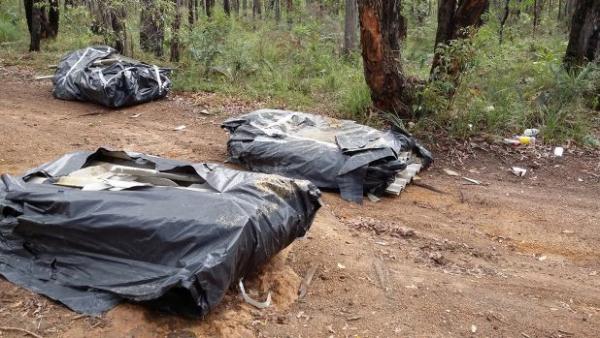 A Thornlie man is probably not lovin' McDonald's after his fast-food splurge came back to bite him. Samuel Michael Gossage was fined $10,000 after a fast food receipt was used to trace him and subsequently charge the 27-year-old with illegal dumping in a national park.
читать дальше
 They were ready to land in Australia, at the end of a 14-hour international flight, when the 270 passengers of an Air Canada flight were suddenly thrown into a high-seas search-and-rescue operation.
читать дальше
 Trees are able to distinguish whether one of their buds or shoots has been randomly torn off or has been eaten by a roe deer. In the case of roe deer browsing, they activate corresponding defence mechanisms. This is the result of a new study by biologists from the Leipzig University and the German Centre for Integrative Biodiversity Research (iDiv) that has recently been published in the specialist journal Functional Ecology.
читать дальше
 Could be the best example yet of being “spaced out”? When in space, astronauts have repeatedly reported inexplicable euphoria, a “cosmic connection” or an increased sensitivity to their place in the Universe.
читать дальше
 The picturesque mountainous region of South Sulawesi, in Indonesia, is home to an ethnic group called the Toraja. A large number of its members live in the regency of Tana Toraja or "the Land of Toraja" at the center of the island of Sulawesi, 300 km north of Makassar, the provincial capital of South Sulawesi.
читать дальше
 In 1963, a man in the Nevşehir Province of Turkey knocked down a wall of his home. Behind it, he discovered a mysterious room. The man continued digging and soon discovered an intricate tunnel system with additional cave-like rooms. What he had discovered was the ancient Derinkuyu underground city, part of the Cappadocia region in central Anatolia, Turkey.
читать дальше
 The Toronto Film Festival proclaimed Friday Bill Murray Day, with a tribute to the star and free public screenings of “Ghostbusters” and “Groundhog Day.” And he lived up to his reputation at a packed Q&A with fans by giving a glimpse into the quirky mind of Murray.
читать дальше
 Developed and used by cultures living in forested areas, drums served as an early form of long-distance communication, and were used during ceremonial and religious functions.
читать дальше
 Japan, a country not known for its overweight people, has undertaken one of the most ambitious campaigns ever by a nation to slim down its citizenry.
читать дальше
 As most of us are aware, America’s predominant involvement in World War II occurred outside of its borders.
читать дальше
begin-english.ru